

Oregon, Utah, Vermont: Supplementary COVID-19 Relief
The Coronavirus Aid, Relief and Economic Security (CARES) Act included $150 billion in federal funding assistance for states and localities. These dollars (separate from funds distributed through the National Endowment for the Arts) are available to help state and county governments address unanticipated costs of COVID-19. States may elect to use some of the funds […]
Connecticut: Artists Respond Grant Program
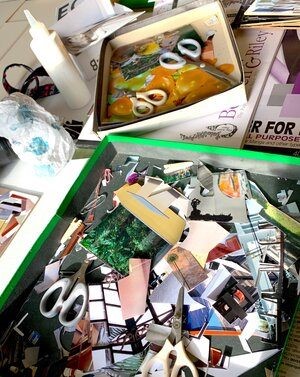
Using a combination of state and federal funds, the Connecticut Office of the Arts (COA) developed the Connecticut Artists Respond Grants program to harness the creative energies of artists and teaching artists to develop new pathways to online arts participation for Connecticut residents during COVID-19. The program was designed to support artists and to provide […]
South Dakota: Residencies for Recovery
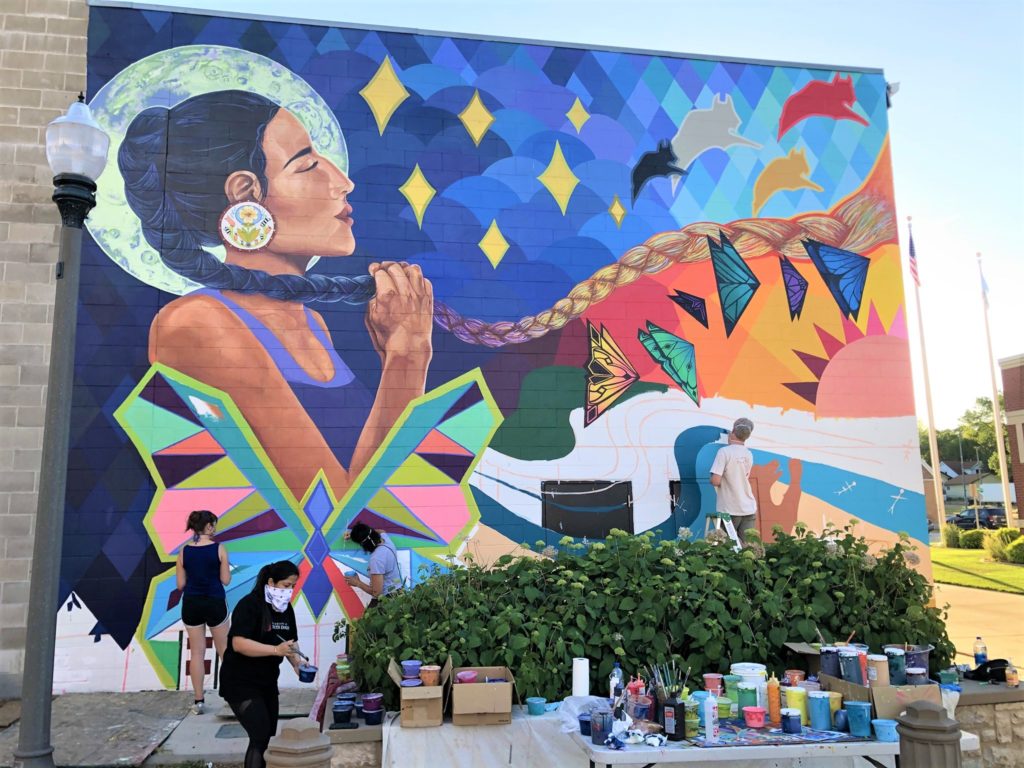
Residencies for Recovery, a new program of the South Dakota Arts Council (SDAC), uses artist-led practices to promote community recovery from the COVID-19 pandemic, to prepare for future disasters and to build resiliency through the arts. The program is based on the premise that artists are creative problem solvers, able to build community bonds and […]
Idaho, Oregon, Washington: Creative Borrowing Webinar
The COVID-19 pandemic has presented arts organizations with unprecedented financial challenges. Their primary sources of income—program earnings and contributions—are likely strained or delayed, and their ability to fundraise has been limited. ArtsWA, the Idaho Commission on the Arts and the Oregon Arts Commission recently partnered to present a webinar, Creative Borrowing for Your COVID-19 Comeback, that discussed how nonprofit organizations can […]
Oklahoma: Online Arts Curricula
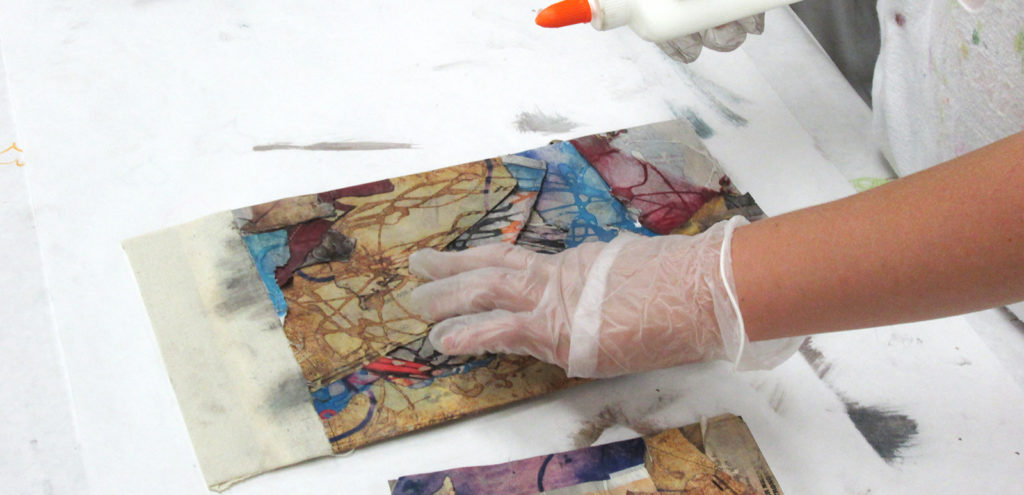
The Oklahoma Arts Council recently issued a call for proposals to commission online fine arts teaching modules. Oklahoma teaching artists with demonstrated education experience were recently invited to develop creative curricula that can be used by Oklahoma students, parents and teachers for distance learning as well as in the classroom. The resulting materials will be […]
Puerto Rico: Cultura Virtual
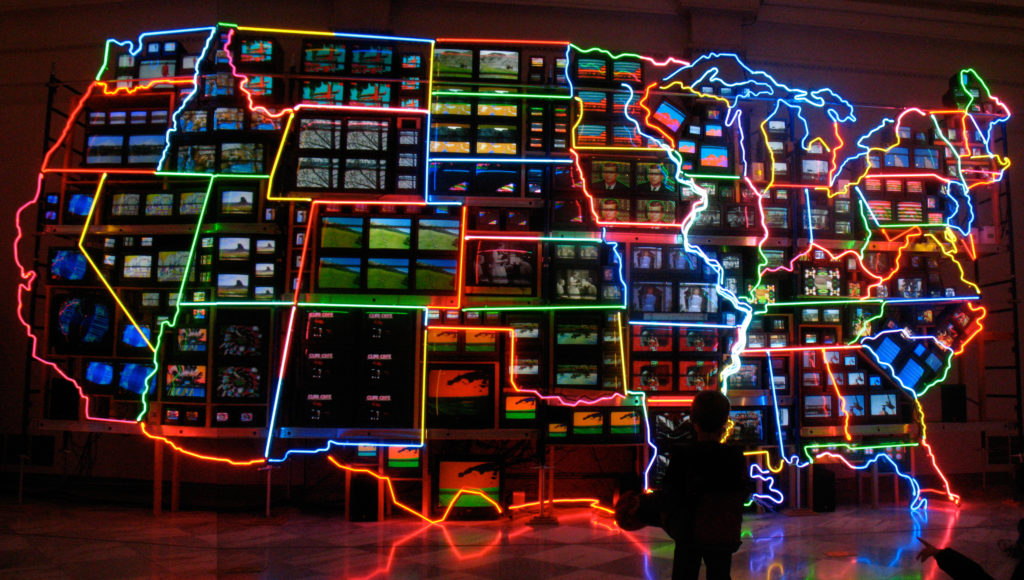
The Instituto de Cultura Puertorriqueña (ICP) is engaging families across the archipelago of Puerto Rico through Cultura Virtual, an online initiative that shares locally sourced creative content. It draws inspiration from the highly successful Cultura Rodante program, which was developed as an emergency program in response to Hurricanes Irma and María in September 2017, then […]
New Mexico: Veteran Artists Thank First Responders
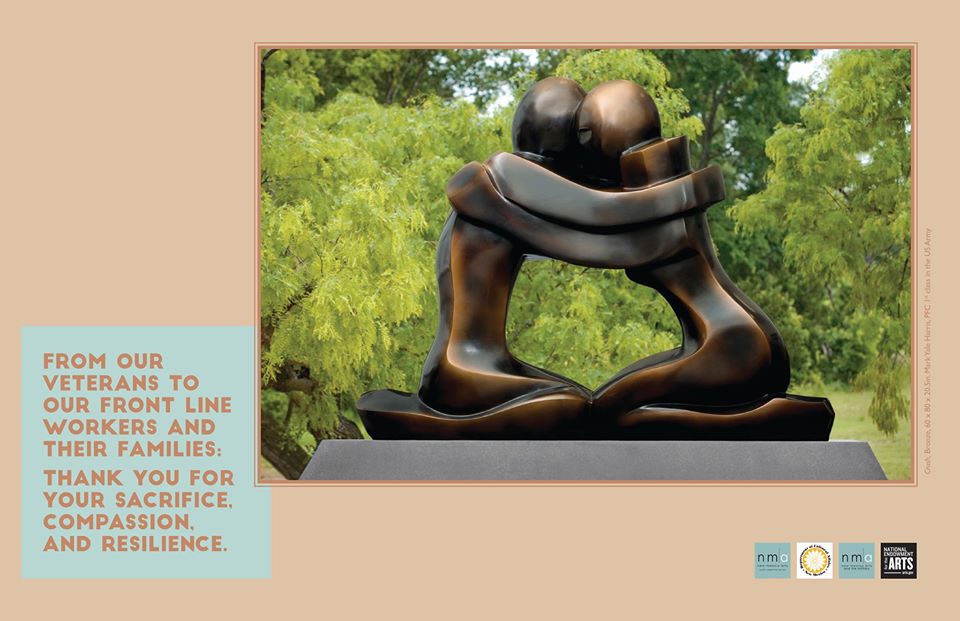
The Art in Public Places program of New Mexico Arts has facilitated the creation and installation of more than 2,500 works of art in all of New Mexico’s 33 counties. The program reflects the diversity of the arts in New Mexico and the Southwest, engages the public’s civic imagination, and builds a dynamic public art […]
Washington, Texas, South Carolina, Vermont: State CARES Act Arts Programs
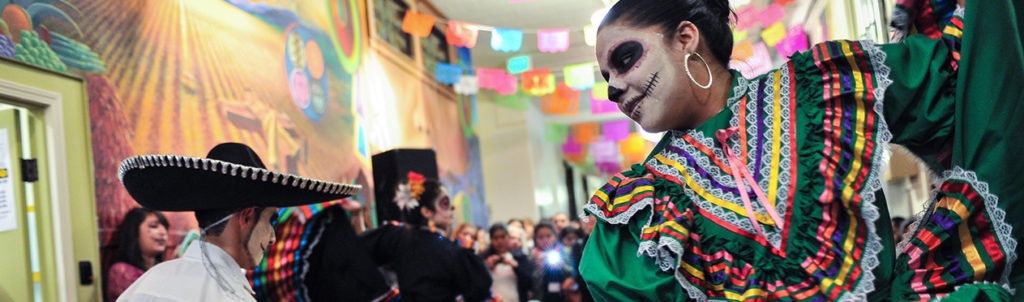
The Coronavirus Aid, Relief, and Economic Security (CARES) Act included $75 million in COVID-19 relief funds to be distributed through the National Endowment for the Arts. To achieve broad and inclusive access to federal funds, Congress requires 40% of the Arts Endowment’s grant budget to be allocated to state arts agencies and regional arts organizations—a […]
Colorado, Iowa: Student Engagement during COVID-19
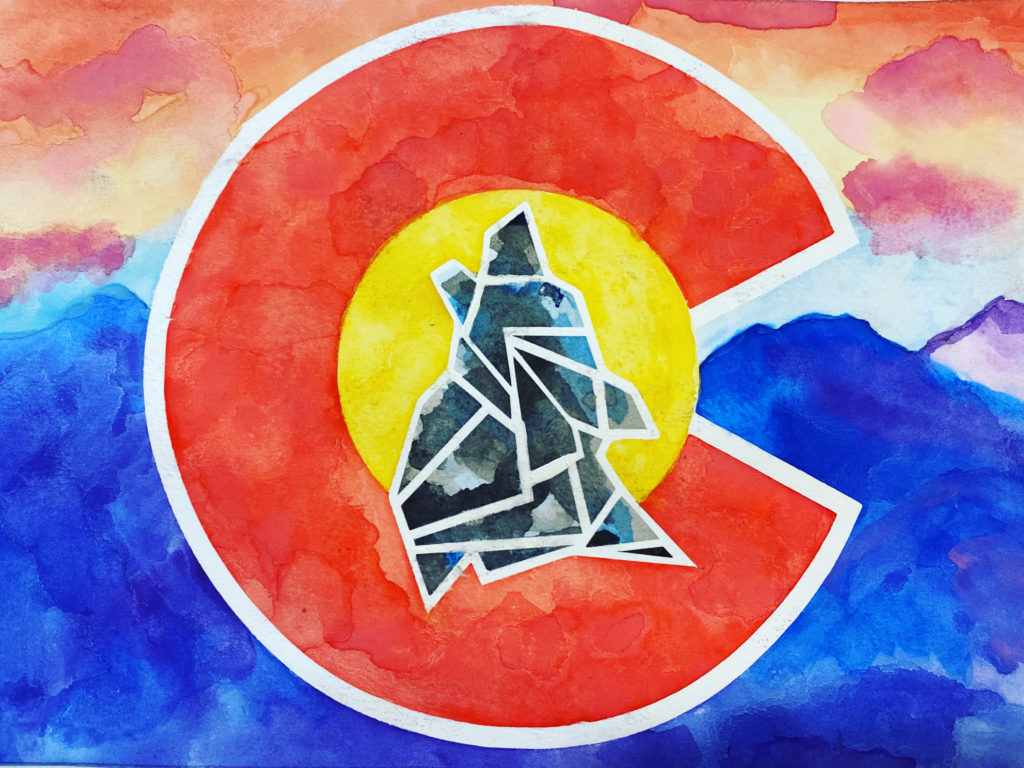
In addition to supporting general public participation in the arts during COVID-19 shutdowns, state arts agencies are finding creative ways to address the specific needs of students and children. Colorado and Iowa offer two examples. Colorado Face Mask Design Challenge Face masks, while useful in helping to limit the spread of COVID-19, may be unsettling […]
Indiana, Massachusetts: Stabilizing the Arts during (and after) COVID-19
The COVID-19 pandemic will have wide-ranging ripple effects for the creative sector. Artists and arts organizations must not only adapt to immediate losses of income, they also must reposition themselves for an uncertain future. Many state arts agencies are organizing technical assistance and education programs designed to support sound planning as well as present-day triage. […]